Conference venue
The 28th Annual GP2A Medicinal Chemistry Conference will take place between 26th-28th August 2020 at the University of La Rochelle – France and will be held within the Faculty of Sciences. La Rochelle University is located close to the historic center, near the old harbor. The University has adopted an environmentally friendly and responsible approach, for its various events.
Registration fees
Including the lunch for all three days and conference dinner
GP2A member
PhD Student 175 €
Non Student & Post doc 235 €
GP2A non-member
PhD Student 225 €
Non Student & Post doc 285 €
To register for the conference, please use the registration portal: available March 2020
– Dr. Robin S. Bon, University of Leeds, UK
Understanding potent small-molecule modulation of TRPC1/4/5 channels
– Prof. Mélanie Ethève-Quelquejeu, Paris Descartes University, France
Chemical Tools for the Study of L,D-Transpeptidases Involved in cell wall synthesis of bacteria
– Dr Romain Ferru-Clément, University of La Rochelle, France
Comprehensive untargeted serum lipidomics identified candidate biomarkers in Crohn’s Disease – Why medicinal chemistry is required to go further?
– Dr. Marion Flipo, University of Lille, France
Fragment-based approaches to inhibit Mycobacterium tuberculosis targets
– Dr Gilles Gasser, Chimie ParisTech, PSL University, Paris, France
Metal Complexes in Medicinal Chemistry
– Prof. Panayiotis Koutentis, University of Cyprus, Nicosia, Cyprus
Adventures in heterocyclic chemistry: Sulfur and/or nitrogen rich hetarenes
– Prof. Rui Moreira, University of Lisbon, Portugal
Title to be announced
– Prof. Vittorio Pace, University of Vienna, Austria
Designing New Synthetic Concepts for Imparting Molecular Complexity with C-1 Sources
– Prof. Sébastien Papot, University of Poitiers, France
Programming molecules for therapeutic applications
– Prof. Angela Russell, University of Oxford, UK
Discovery of small molecules to manipulate cell fate in vivo: towards new therapies for degenerative diseases
– Dr. Caroline West, University of Orléans, France
From impurity profiling to purified metabolites: Drug discovery supported by analytical and preparative supercritical fluid chromatography
– Prof. Catalin Zaharia, Polytechnic University of Bucharest, Romania
Drug-loaded polymeric systems as a promising tool for cancer management
CVs in Brief…
| Dr. Robin S. Bon University of Leeds, UK |
Robin studied Chemistry in Utrecht and Amsterdam, and obtained his PhD in Chemistry (2007) from the Vrije Universiteit Amsterdam. Between August 2006 and October 2009, he worked as a Max Planck/Alexander von Humboldt Fellow at the Max Planck Institute of Molecular Physiology in Dortmund, where he developed chemical tools to study protein post-translational lipidation. Robin subsequently joined the University of Leeds, initially in the School of Chemistry as a Senior Research Fellow (2009-2015), and then in the School of Medicine as a Lecturer in Cardiovascular Chemistry (2015-2019) and Associate Professor of Chemical Biology (since 2019). His research group uses chemical, biochemical and biophysical approaches to unravel molecular mechanisms of health/disease and the effects of bioactive small molecules, with a specific focus on the pharmacology of TRPC cation channels. Twitter handle: @RSBon_Lab |
 |
|
| Prof. Mélanie Ethève-Quelquejeu Paris Descartes University, France |
Mélanie Etheve-Quelquejeu is professor of Chemistry and the head of the Master program “Frontiers in Chemistry” at the University of Paris. She leads the group “Chemistry of RNAs, Nucleosides, Peptides and Heterocycles”, in the laboratory “Chimie & Biochimie, Pharmacologiques et toxicologiques”, UMR 8601. She obtained her PhD at the University UPMC, Paris VI, in France in 1997. She conducted postdoctoral studies first at Stanford University in California with Prof. J.P. Collman and then at Santa Barbara University with Prof. B. Lipshutz. She works on the field of Chemical biology of RNA and she developed chemical tools to explore the synthesis of cell wall of bacteria. These projects involve mostly the chemistry of nucleotides and nucleic acids, the synthesis of peptides and b-lactame derivatives and the methodological developments for post-functionalization of biomolecules. She is author of 60 publications, including J. Am. Chem. Soc (2007), Angewandte (2010, 2013, 2014, 2016) as the corresponding or co-corresponding author. She co-organized « the XXII Roundtable on Nucleosides, Nucleotides and Nucleic Acids », at the Pasteur Institut, (Paris, july 2016). Since 2016, she is scientific officer at the Institut de Chimie du CNRS (section 16). |
 |
|
| Dr. Romain Ferru-Clément University of La Rochelle, France |
Romain Ferru-Clément defended his thesis on fundamental aspects of the vesicular trafficking in the context of Cystic Fibrosis in 2012 and received his PhD from the University of Poitiers (UP). From 2012 to 2016, he was a postdoctoral research fellow at the UP where he investigated the molecular consequences of disturbances of the metabolism of lipid species in the context of lipotoxicity-related human diseases. In that time, he also contributed to the creation of the start-up Conic Meds that develops anti-lipotoxicity drug candidates at the preclinical stage. In 2016, he returned to the academic area and he is currently a temporary lecturer in molecular and cellular Biology at the faculty of Health Sciences of La Rochelle University. In 2017, he was associated to the IBD Genomic Medicine (iGenoMED) consortium (PI Pr John D. Rioux) in a translational research program using a multi-omic approach for the development of precision Medicine in Inflammatory Bowel Diseases (IBD). In this context, he notably worked with the metabolomic platform of the Montreal Heart Institute (Dir Pr Christine DesRosiers) on the profiling of the circulating lipidomic signature of CD patients. linkedin.com/in/romain-ferru-clément-625363183 |
 |
|
| Dr. Marion Flipo University of Lille, France |
Marion Flipo graduated from the National Graduate School of Chemistry and Chemical Engineering of Lille (France). She then received a master’s degree in organic chemistry (2003) followed by a PhD in medicinal chemistry (2006) at the University of Lille (France), during which she designed and synthesized metalloprotease inhibitors as antimalarial agents. Then, she spent several months at the Ferring Research Institute (San Diego, CA), a company specialized in peptide research before becoming an assistant professor in organic chemistry in 2008, at the University of Lille in UMR U1177 “Drugs and Molecules for Living Systems” directed by Pr Benoit Deprez. She focused her research on the development of new strategies to overcome antimicrobial resistance. She worked for several years on the discovery and optimization of inhibitors of EthR, a transcriptional repressor implicated in the innate resistance of M. tuberculosis to the anti-tuberculosis drug ethionamide. This work led to the successful development of very potent ethionamide boosters and a preclinical candidate has recently been selected for evaluation in imminent phase 1 clinical trials. Over the last four years, Dr Flipo has driven a medicinal chemistry project funded by the French national research agency (ANR JCJC program-2FightTB) to identify and optimize new anti-tuberculosis compounds. She is currently leading a medicinal chemistry work aiming at optimizing efflux pump inhibitors to fight Gram-negative infections in a French-German consortium funded by ANR (EFFORT project). |
 |
|
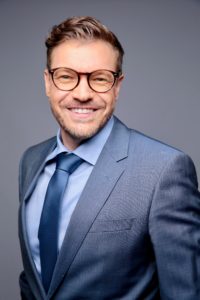
| Dr. Gilles Gasser Chimie ParisTech, PSL University, Paris, France |
Gilles Gasser was born, raised and educated in the French-speaking part of Switzerland. After a PhD thesis in supramolecular chemistry with Prof. Helen Stoeckli-Evans (University of Neuchâtel, Switzerland), Gilles undertook two post-docs, first with the late Prof. Leone Spiccia (Monash University, Australia) in bioinorganic chemisty and then as an Alexander von Humboldt fellow with Prof. Nils Metzler Nolte (Ruhr-University Bochum, Germany) in bioorganometallic chemistry. In 2010, Gilles started his independent scientific career at the University of Zurich as a Swiss National Science Foundation (SNSF) Ambizione Fellow before obtaining a SNSF Assistant Professorship in 2011. In 2016, Gilles moved to Chimie ParisTech, PSL University (Paris, France) to take a PSL Chair of Excellence. Gilles was the recipient of several fellowships and awards including the Alfred Werner Award from the Swiss Chemical Society, an ERC Consolidator Grant, the Thieme Chemistry Journal Award, the Jucker Award for his contribution to cancer research and recently the European BioInorganic Chemistry (EuroBIC) medal. Gilles’ research interests lay in the use of metal complexes in different areas of medicinal and biological chemistry. |
 |
|
| Prof. Panayiotis Koutentis University of Cyprus, Nicosia, Cyprus |
Education: Panayiotis A. Koutentis (CSci, CChem, FRSC) is Professor at the Department of Chemistry, University of Cyprus. He was born in Bristol (1969) and obtained his BSc (1992) and PhD (1997) at Imperial College working with the late Prof. Charles W. Rees (FRS, CBE). This was followed by a short stay with Prof. Roger Alder, (Bristol, 1997), and then postdoctoral work with Prof. Fred Wudl (UCLA, 1997-8), and with Prof. Robert Haddon (Lexington, Kentucky, 1999). In 1999, Prof. Koutentis was appointed Lecturer at the University of Cyprus and in 2009 achieved tenure. Awards: Awarded “The Golden Badge “Laureate” for the Art in Organic Synthesis of Heterocycles” by the International Scientific Partnership Foundation, International Foundation “Cultural Heritage” Award (2015). Total Citation: 3667; H–Index: 32; I10-Index: 92 (Google Scholar) Editorial/Advisory Board: Scientific Editor for Molecules, Sci, Molbank, ARKIVOC, Advances in Heterocyclic Chemistry; and Volume Editor for Comprehensive Heterocyclic Chemistry IV. |
 |
|
| Prof. Rui Moreira University of Lisbon, Portugal |
. |
| . | |
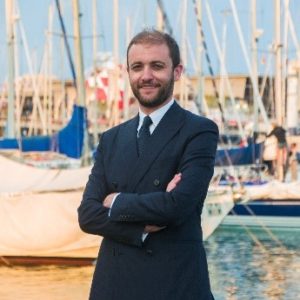
| Prof. Vittorio Pace University of Vienna, Austria |
Vittorio Pace (born 1981) graduated in Pharmacy in 2005 from the University of Perugia (Italy) and subsequently, received the PhD in Chemical Sciences cum laude from the Complutense University of Madrid in 2010 working with Profs. Alcántara and Sinisterra. After postdoctoral training at Vienna (Prof. Holzer, 2010-2011), Manchester (Prof. Procter, 2011-2013) and Stockholm (Prof. Olofsson, 2013-2014), he obtained a group leader position at the University of Vienna in 2014. Since 2018 he is holder of a TT Professorship in Drug Synthesis at the University of Vienna. In 2016 he received the Habilitation in Pharmaceutical Chemistry from the University of Vienna and, in 2017 the Habilitation for Full Professor of Organic Chemistry from the Italian Ministry of University. He received several awards including the Ciamician Medal of the Italian Chemical Society, the Caglioti Prize of the Accademia Nazionale dei Lincei, the Young Investigator Award of the Faculty of Life Sciences at Vienna, the La Roche-Hoffmann Prize of the European Society of Medicinal Chemistry, the Viennese Innitzer Award in 2017, the Habilitation Award of the Austrian Chemical Society in 2019 and the Thieme Journal Award in 2020. He published > 100 papers in peer reviewed journals and has a h index of 27. His research core is represented by the design and development of new chemoselective transformations with functionalized organolithiums. |
 |
|
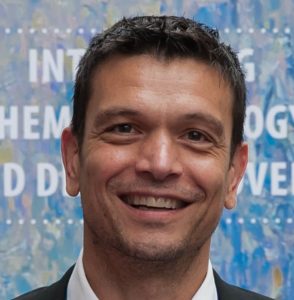
| Prof. Sébastien Papot University of Poitiers, France |
Sébastien Papot was born at the end of the second millennium and grew up in Niort (France) with his parents and two brothers. His bachelor degree in hands, he went to the University of Poitiers (France) where he studied organic chemistry. He obtained a Ph.D. in 1998 under the supervision of Prof. Jean-Pierre Gesson. The subject of his thesis was the study of glucuronide prodrugs for cancer chemotherapy. Then, he moved successively to the University of Orléans (Prof. G. Guillaumet, France) and the University College Cork (Prof. A. Maguire, Ireland) as a post-doctoral fellow working on several projects in the area of medicinal chemistry. During his stay in Cork, he became very interested in beer, especially Irish beer. In 2003, he moved back to Poitiers to start an academic career as an Assistant Professor. In 2014, he accepted a full professorship in the same university. He is currently the group leader of the “Programmed Molecular Systems” team. His research interests include the design of smart drug delivery systems for cancer chemotherapy, functional interlocked systems and prebiotic chemistry. Prof. Sébastien Papot is also the President of the French Society of Medicinal Chemistry and the cofounder of Seekyo, a privately-owned biotech company developing the next generation of chemotherapies. |
 |
|
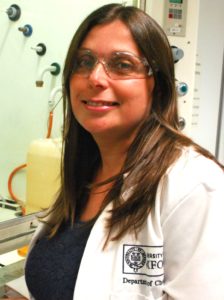
| Prof. Angela Russell University of Oxford, UK |
Angela Russell is Professor of Medicinal Chemistry in the Departments of Chemistry and Pharmacology at the University of Oxford. She gained her MChem degree from the University of Oxford in 2000 and her DPhil in Organic Chemistry in 2004. In 2007 she was awarded a prestigious Research Councils’ UK Fellowship in Medicinal Chemistry jointly between the Department of Chemistry and Pharmacology. In 2018 she was made Professor of Medicinal Chemistry. Her work lies at the interface of Chemistry, Biology and Medicine and aims to discover new small molecules and mechanisms to manipulate cell fate and translate them into therapeutic agents, particularly for degenerative diseases and cancer. She has published over 95 original articles, book chapters and patent applications. She has established a track record in the translation of her science, having founded two spin out companies, MuOx (now part of Summit Therapeutics plc) and OxStem Ltd in 2016, a spin-out company that aims to identify new classes of drugs that can re-programme or stimulate existing endogenous cells to repair tissues in age-related conditions including cancer, neurodegenerative diseases and heart failure. In recognition of this she was named in 2016 as a ‘Rising Star’ in the ‘BioBeat 50 Movers and Shakers in BioBusiness’ report, celebrating 50 outstanding women entrepreneurs and business leaders who are recognised for their contributions to global health innovation. |
 |
|
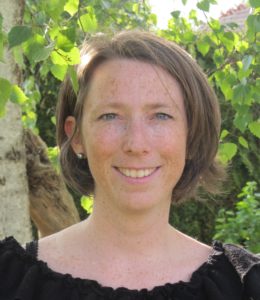
| Dr. Caroline West University of Orléans, France |
Caroline West is an associate professor in analytical chemistry at the University of Orleans, France. She is a Junior member of the French University Institute (IUF), a service of the Ministry of Higher education distinguishing a small number of university professors for excellent research. Her main scientific interests lie in fundamentals of chromatographic selectivity, both in the achiral and chiral modes mainly in SFC, but also in HPLC. She is also applying these methods to samples of pharmaceutical interest and natural products. She has authored 4 book chapters and about 100 papers in international peer-reviewed journals, and has presented about 100 lectures in national and international conferences and seminars. In 2015, she received the “LC-GC Emerging Leader in Chromatography” award from LC-GC North America and was ranked twice among the “Top 40 under 40” (2014 & 2018) and once in “The Power List” (2019) by The Analytical Scientist. She is also an advisory board member for several journals in separation science (Analytical Chemistry, Journal of Chromatography A, Chromatographia, LC-GC North America). |
 |
|
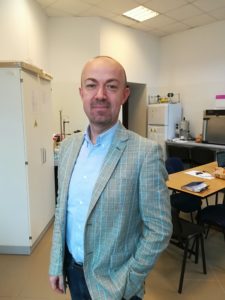
| Prof. Catalin Zaharia, Polytechnic University of Bucharest, Romania |
His research activity contributes to the development of knowledge in the field of polymeric biomaterials based on natural and synthetic compounds with biomedical applications (hydrogels, polymeric micro- and nanoparticles, hybrid biomaterials, composite materials – drug delivery systems, tissue engineering etc.). He has a PhD in Engineering Sciences (UPB, 2007) with the thesis “Studies regarding the synthesis and characterisation of new biopolymers for bone implants”. He also holds a PhD in Cell Biology obtained in 2009 in France (University of Angers, Faculty of Medicine). An important step in gaining expertise for biomedical applications of various materials was his participation in the postdoctoral project “Postdoctoral Program for advanced research in the field of nanomaterials, POSDRU/89/1.5/S/54785” with the subject “Conjugated polymeric nano- and microparticles for biomedical applications”. He has also participated in numerous research projects as coordinator or member in the research team (over 30 projects) related to the field of biomaterials: HYBRIDSIM-PN2, 307/2014; BIOSILKMAG-TE 03/10.2015; GREENVET-PN2155/2014; Smart materials for medical applications (INTELMAT) (leading the subproject 4), 39PCCDI/2018; REGMED (leading the subproject 3), 65PCCDI/2018 etc. Dr. Catalin Zaharia is also the Head of the Laboratory of Advanced Processing Methods for Polymers and Nanomaterials, (LMAPPN) L1M1 since 2016. He is also the Head of Department of Bioresources and Polymer Science since 2016 and Project team leader in Advanced Polymer Materials Group. Research activity: over 55-ISI quoted papers (journals like Acta Biomaterialia, Biomaterials, Journal of Biomechanics, Materials Science and Engineering C, Nanomaterials, Molecules, Drug Delivery etc); books in the field of polymeric materials, biomaterials, solar cells, polymer processing, additives for polymer processing; numerous oral and poster presentations at International Conferences, invited lectures. He is also reviewer for prestigious ISI-quoted journals: Molecules, Nanomaterials, Polymers, Gels, Antibiotics, Materials Science and Engineering C, Acta Biomaterialia, Journal of Applied Polymer Science, Journal of Chemical Technology and Biotechnology, Carbohydrate Polymers, Cell proliferation, Ceramics International, Macromolecules, Surface Coating and Technology, Journal of Nanotechnology, ACS Applied Materials & Interfaces, Cellulose etc. |
 |
Valérie Thiéry, Professor, La Rochelle University
Armelle Combaud, Communication manager, LIENSs, La Rochelle University
Jean-René Chérouvrier, Lecturer, La Rochelle University
Lisianne Domon, Lecturer, La Rochelle University
Thierry Guyot, Webmaster, La Rochelle University
Maria de Fatima Peireira-Rosenfeld, Lecturer, La Rochelle University
Laurent Picot, Assistant-Professor, La Rochelle University
Dear Colleagues,
Dear Researchers,
We are delighted to announce that the 28th Annual GP2A Medicinal Chemistry Conference will take place between 26th-28th August 2020 at the University of La Rochelle (France).
Topics will cover multidisciplinary nature of drug discovery and chemical biology.
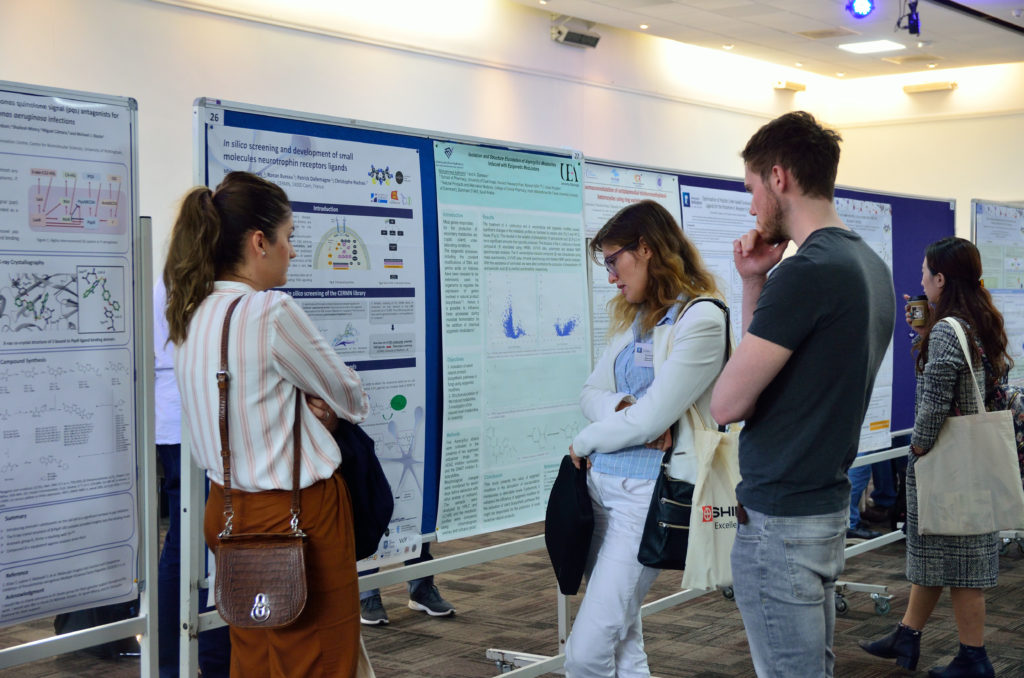
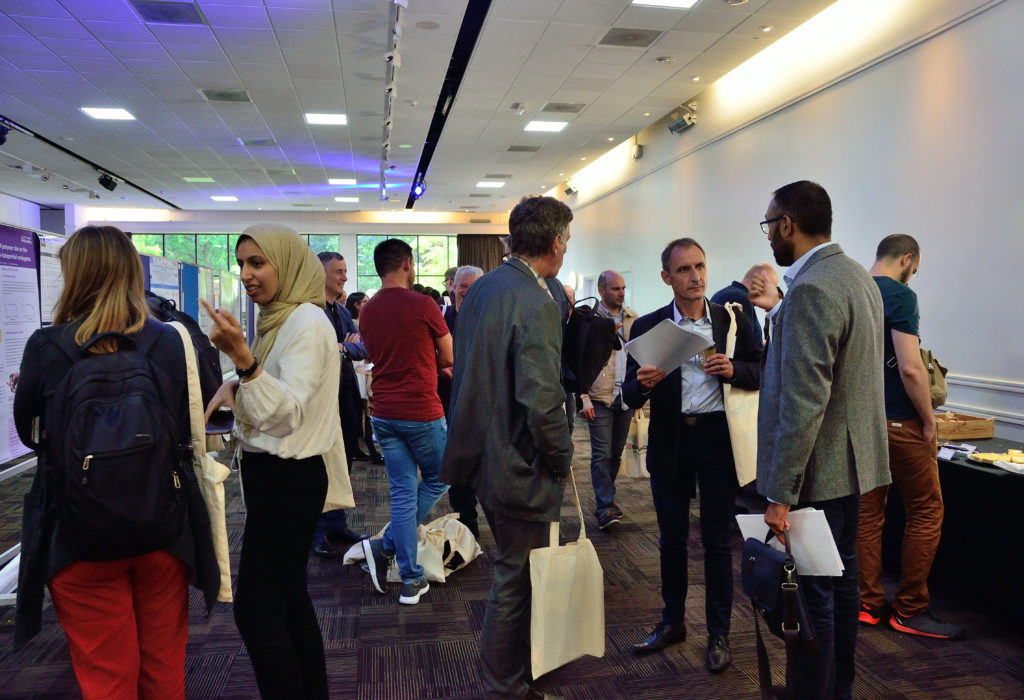
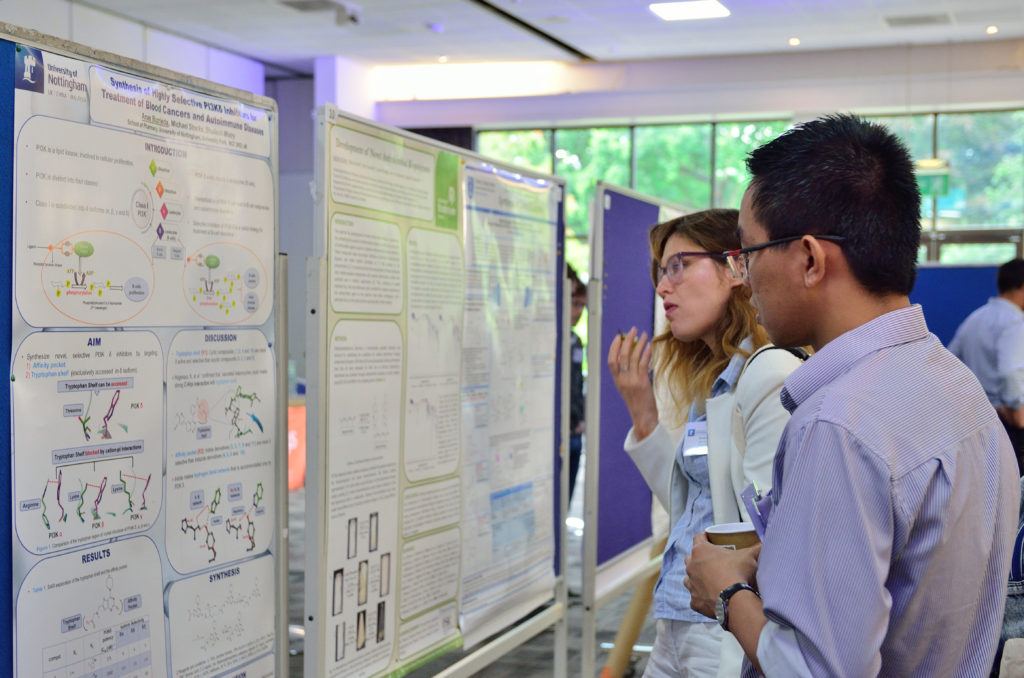
The meeting will include a range of invited speakers, in addition to a number of opportunities for PhD students and postdoctoral researchers to speak, exhibitors and poster presentations.
Registration and the call for abstracts for poster and oral presentations will be opened shortly – more details will also be disseminated soon by email. In the meantime any general enquiries can be directed to contact@gp2a.org.
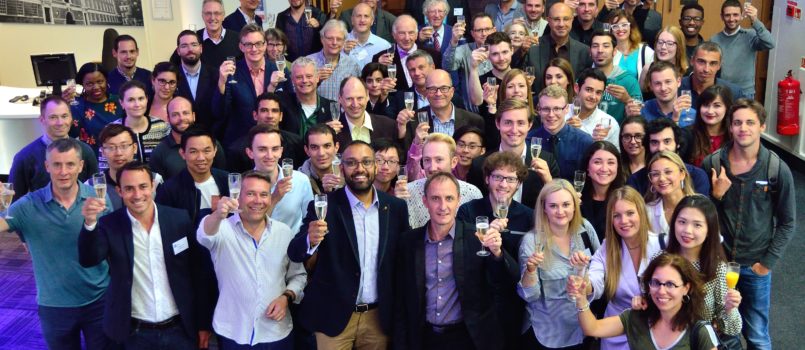
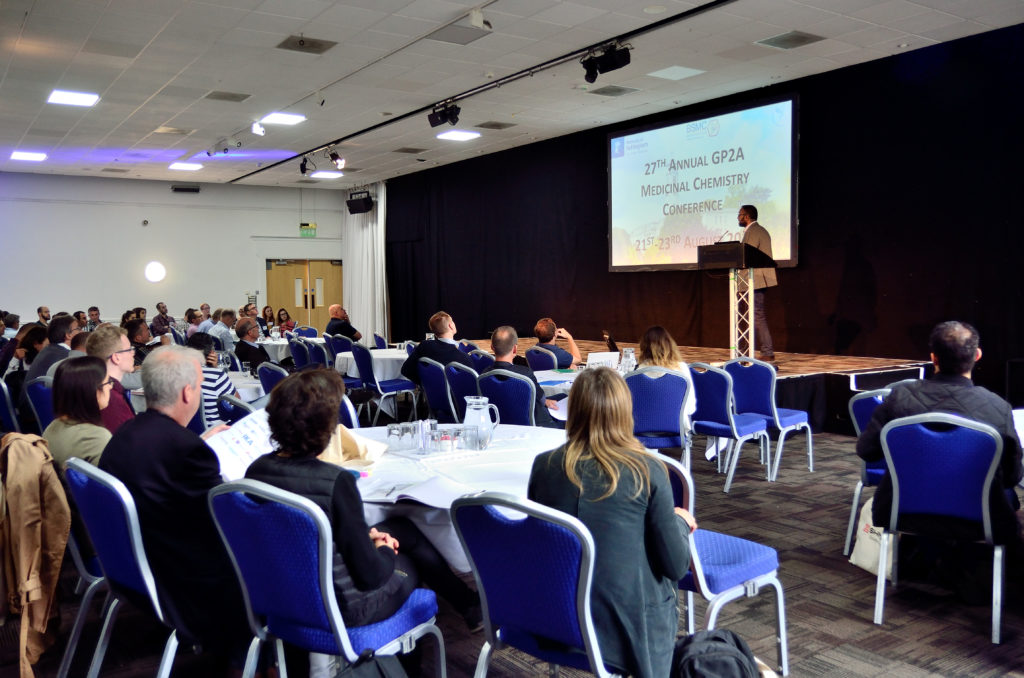
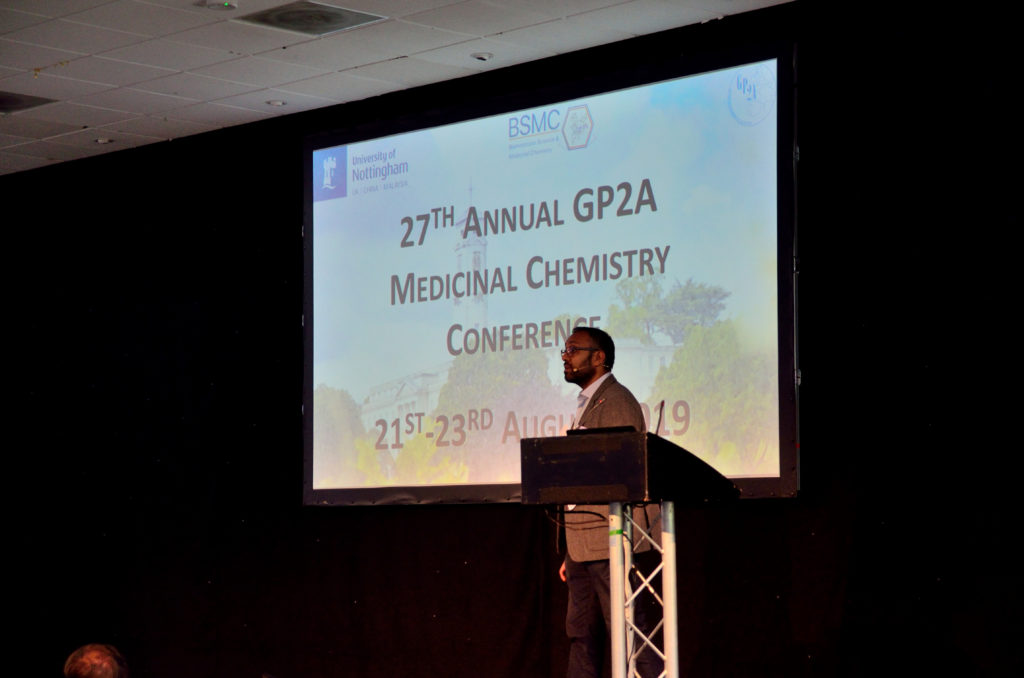
We look forward to welcoming you to La Rochelle with the aim of continuing on from what was an excellent and scientifically stimulating meeting last August in Nottingham – UK. Please save the dates in your diaries!
For more information about the GP2A network, please visit: gp2a2020@gp2a.org.
Prof. Valérie Thiéry, University of La Rochelle – France, Local Organising Committee
Prof. Pascal Marchand, University of Nantes – France, President of GP2A
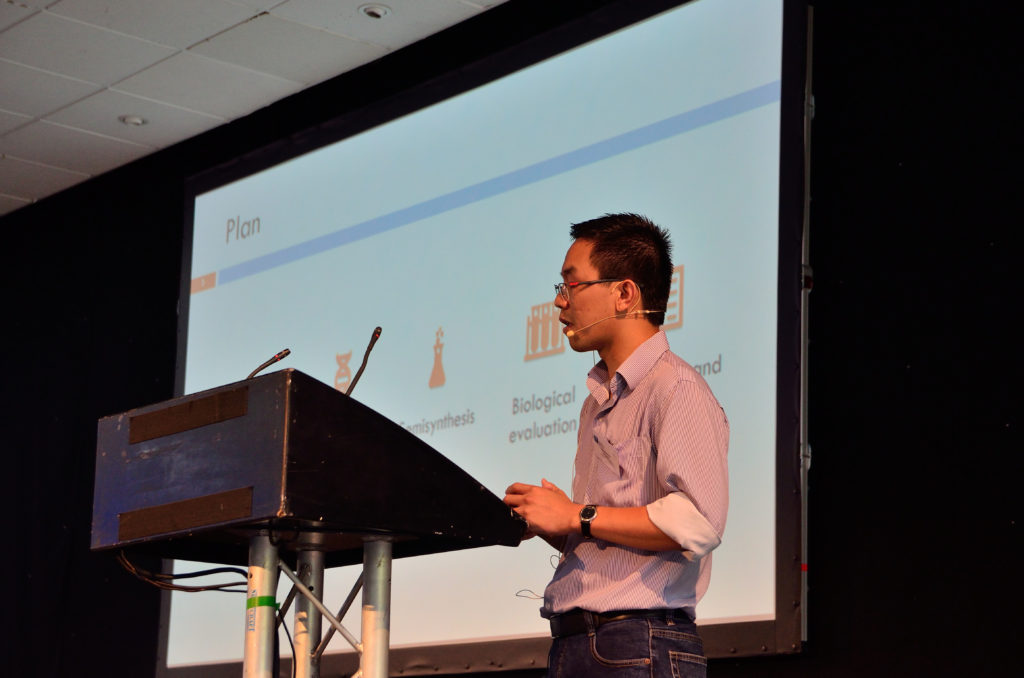
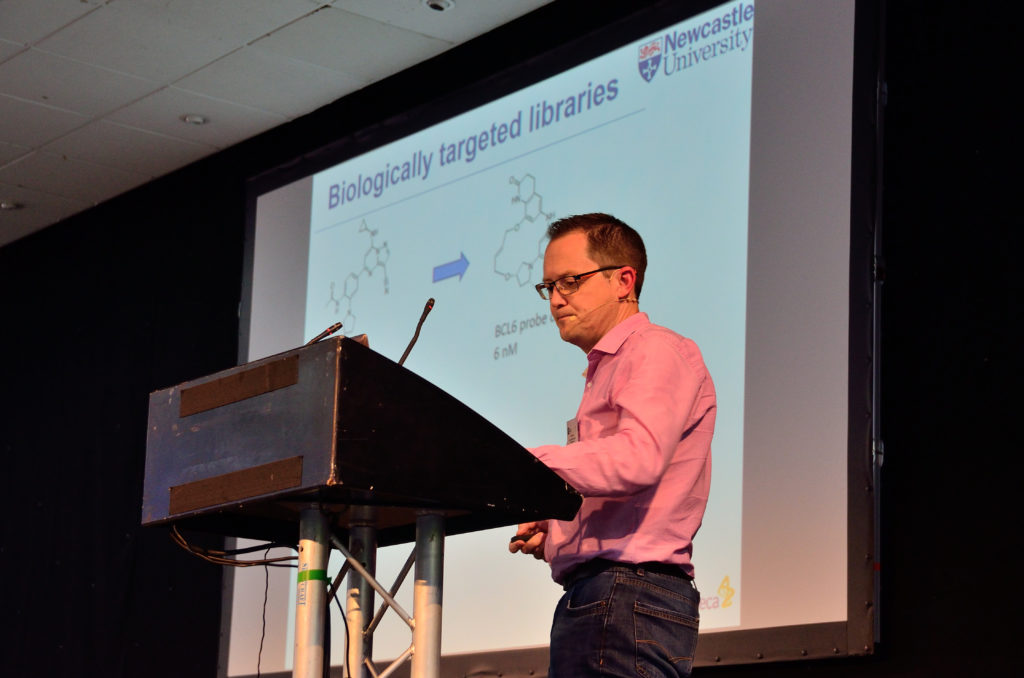
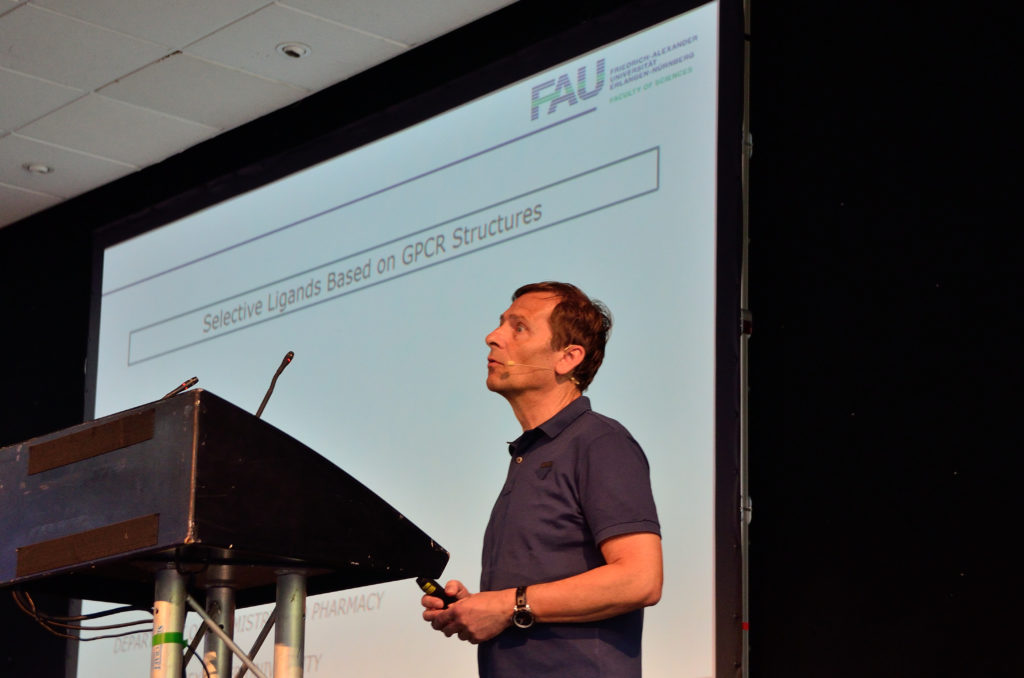
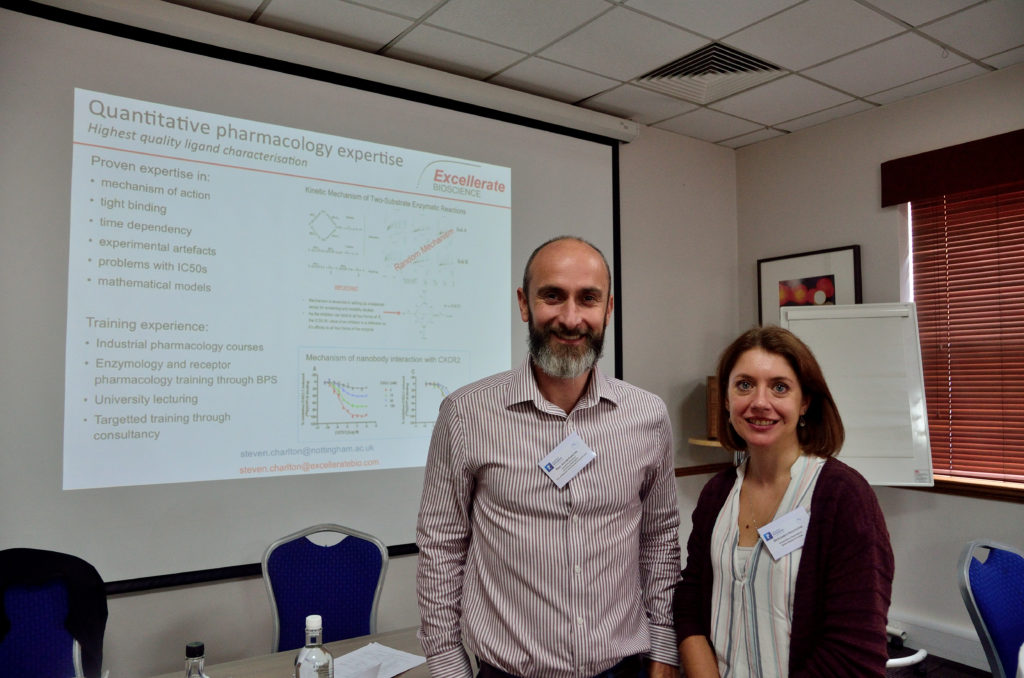
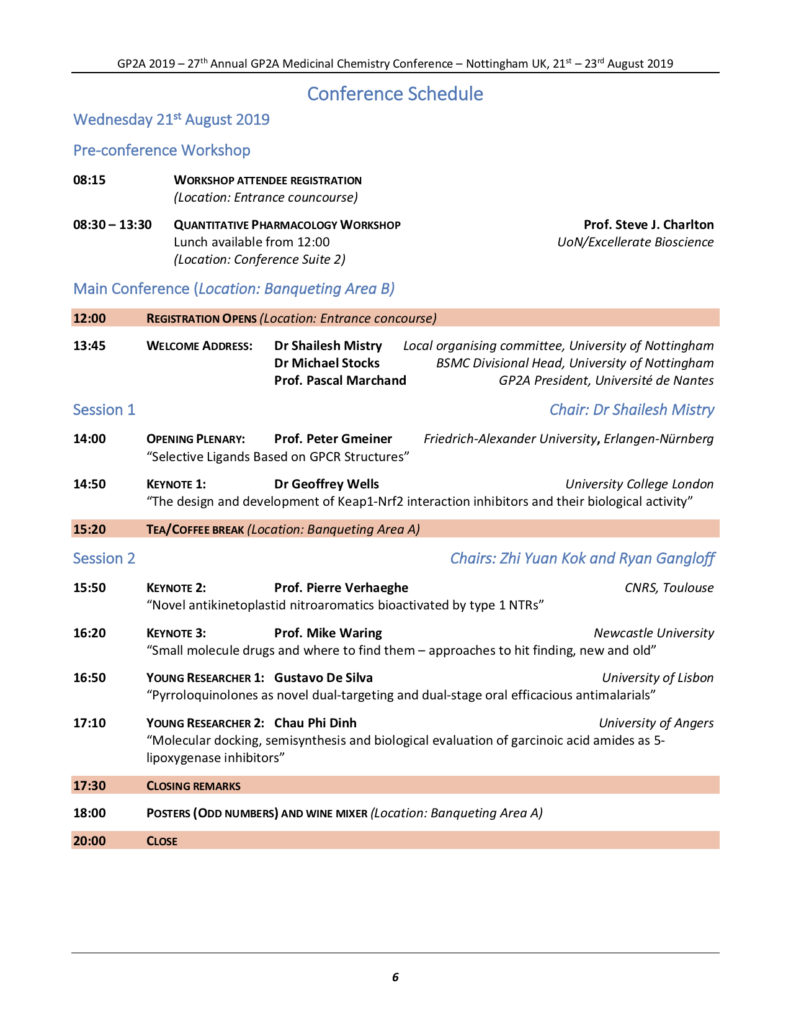

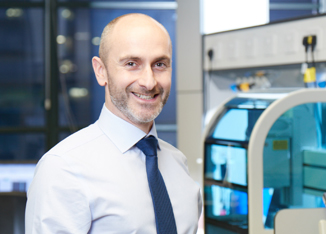
Prof. Steven J Charlton
Excellerate Bioscience and University of Nottingham
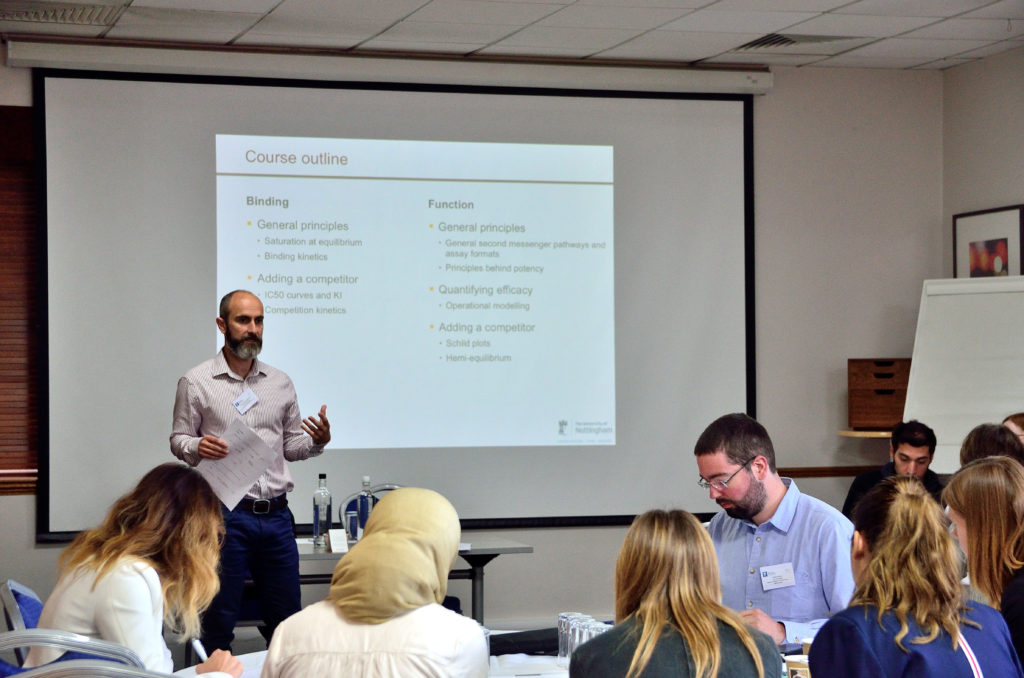
Comparing the pharmacological characteristics of compounds across different systems (e.g. different assays and/or cell types) can be a complex task. More difficult still is the extrapolation of these in vitro data to in vivo systems through PK/PD modeling. In order to make these tasks as accurate as possible, it is critical to define quantitative, system independent measures of compound action. This workshop will introduce the concept of quantitative molecular pharmacology and detail the experimental and analytical methods used to determine key system-independent pharmacological descriptors of both drug binding and functional efficacy. It will culminate in a team-based exercise where you will put the knowledge and skills gained from the morning’s lectures into practice. You will play the role of the pharmacologist in a (fictitious) pharmaceutical company’s due diligence team, tasked with identifying the best compound to in-license for a respiratory indication. These deals can be very expensive – will you be confident enough in your analysis to make a recommendation to senior management…?
We are grateful to all the GP2A 2019 sponsors and exhibitors for their support of the conference.





Registration
To register for the conference, please use the registration portal: https://store.nottingham.ac.uk/conferences-and-events/conferences/schools-and-departments/pharmacy/27th-annual-gp2a-medicinal-chemistry-conference
Abstract Submission
Abstracts from conference registrants are invited for poster and oral presentation. Following review of all abstracts by the organising committee, a total of 6 abstracts will be selected for oral presentation.
To submit your abstract, please download complete the ‘abstract template and instructions file‘ below, and follow the instructions carefully. Completed abstracts should be sent (in MS Word format) to gp2a2019@gp2a.org, with the email subject as ‘GP2A2019 Abstract submission‘.
We are no longer considering abstracts for oral presentation – however if you would still like to present a poster at the conference, please submit your abstract as described above and complete your conference registration.
PhD/postdoctoral researcher speakers may be eligible for the conference travel award – click here to apply (deadline 31st July)!
Accommodation
The conference will be held at the East Midlands Conference Centre (EMCC), which is situated on University Park Campus (more information on the registration portal).
The most convenient accommodation is at the Orchard Hotel, which is adjacent to the EMCC.
There are a number of other accommodation options also available in the City Centre and Beeston, both of which are easy to travel to using Nottingham’s bus and tram network.
Social Events
On the afternoon of Thursday 22nd August, delegates will have the option to participate in one of two social events. These will run at the same time, so please select your preferred option during registration:
- Castle Rock brewery tour – An opportunity to take part in a tour of one of Nottingham’s most well-known real ale breweries. You will be transported to the city centre where the brewery is situated and take part in a tour lasting around 45 minutes, where you will learn about the facility and the brewing process. At the end of the tour there will be a chance to sample some of the brewery’s beers
- Wollaton Hall Tour – A guided tour of the historic Wollaton Hall (Wayne Manor in recent Batman films) and a chance to explore the extensive deer park. Please be aware that this tour involves over 300 steps and is unfortunately not suitable for those with limited mobility.
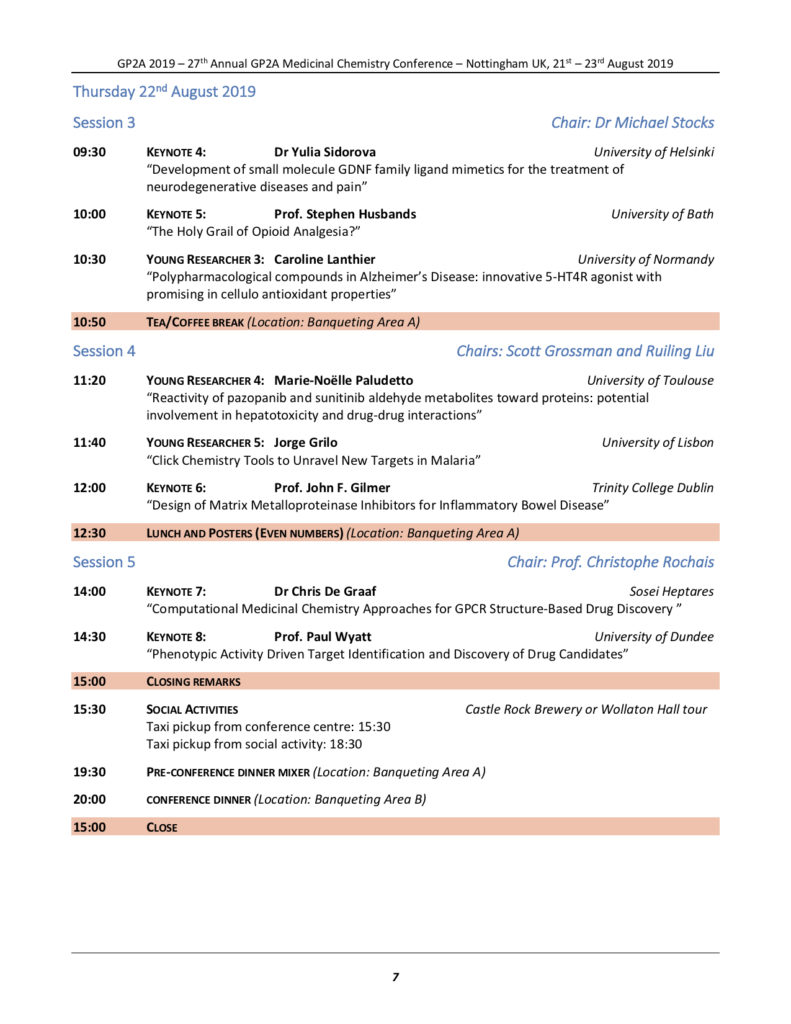
| Prof. Stephen Husbands Department of Pharmacy & Pharmacology, Centre for Therapeutic Innovation, University of Bath (UK)  | A medicinal chemist primarily involved in the development of ligands that target the CNS. My main research interests relate to neuropsychological diseases and targets, in particular the development of low abuse liability analgesics and new treatment agents for drug abuse, depression and anxiety. Recent research has focussed on the development and therapeutic potential of ‘selectively promiscuous’ ligands and has been driven by the understanding that CNS disorders are rarely simple, requiring complex solutions. In closely related projects we are exploring the pro- and anti-inflammatory activities of opioids in the periphery and in the CNS with multiple potential applications, including improved analgesics and new anti-inflammatory agents, particularly for dermatology. |
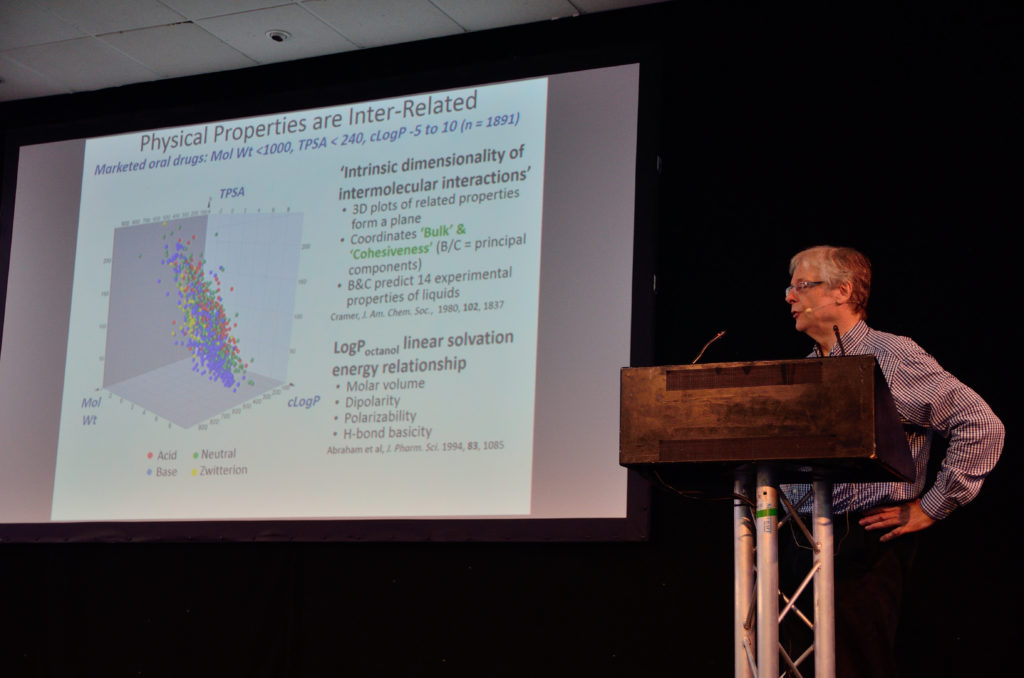
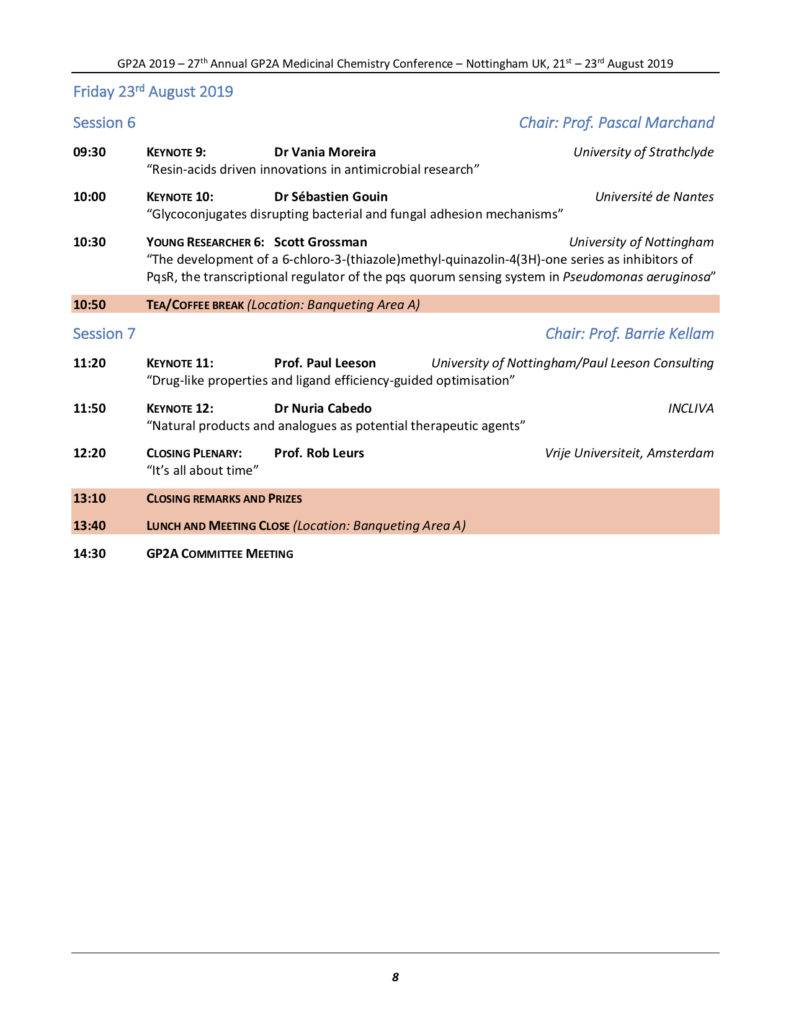
| Prof. Paul Leeson Paul Leeson Consulting. Honorary Prof. of Medicinal Chemistry, School of Pharmacy, University of Nottingham (UK)  | Paul Leeson is a medicinal chemistry consultant with >35 years’ experience in major pharmaceutical companies: Smith Kline and French, Merck Sharp and Dohme, Wyeth (USA), AstraZeneca, and GlaxoSmithKline. Since 2014 he has advised large and small pharmaceutical companies, start-ups, and academia. At AstraZeneca (1997-2011) Paul was head of medicinal chemistry at the Charnwood site, and as leader of the Global Chemistry Forum he was accountable for the Company’s chemistry strategy. Paul’s drug discovery contributions have been in the cardiovascular, neuroscience, respiratory and inflammation therapy areas. He has a special interest in compound quality, recognised in 2014 by the receipt of the Nauta Award from the European Federation of Medicinal Chemistry. Paul has a PhD from the University of Cambridge and holds an honorary professorship at the University of Nottingham. |
| Dr Vania Moreira Strathclyde Institute of Pharmacy and Biomedical Sciences, University of Strathclyde (UK)  | Dr. Moreira is a Chancellor’s Research Fellow (Lecturer in Medicinal Chemistry) at the Strathclyde Institute of Pharmacy and Biomedical Sciences (SIPBS), at the University of Strathclyde, UK. She carries the Title of “Docent” (Adjunct Professor) from the University of Helsinki in Finland, where she has been a Principal Investigator and group leader since 2015. Dr. Moreiraholds a doctoral degree in Pharmaceutical Organic Chemistry from the University of Coimbra in Portugal, which she completed in 2008. In addition to Portugal, she has carried out research at the University of Maryland School of Medicine, Baltimore, USA (2006-2007), at the University of Ferrara, Italy (2011) and at the Faculty of Pharmacy, University of Helsinki, Finland (2012-present). Her current research is devoted to exploring the medicinal chemistry of the diterpenoids, namely the resin acids and their derivatives, and has been funded by several international sources including the Finnish Funding Agency for Innovation (TEKES), the Academy of Finland, the Magnus Ehrnrooth Foundation, the Huonekalusäätiö, the Portuguese Science and Technology Foundation (FCT), the European Union (Seventh Framework Programme FP7) and Tenovus Scotland. In 2016, she was highlighted as one of the “New talents- Europe”, by the European Federation of Medicinal Chemistry (EFMC). More details can be found from https://tinyurl.com/y8skw9fn |
| Dr Geoffrey Wells School of Pharmacy, University College London (UK)  | Geoff Wells is an Associate Professor in Medicinal Chemistry at UCL School of Pharmacy. He pursued a PhD in medicinal chemistry at the University of Nottingham under the supervision of Professor Malcolm Stevens FRS. He spent four years as a postdoctoral researcher in the CRUK Gene Targeted Drug Design Research Group at the School of Pharmacy, University of London, followed by two years working for Pharminox Ltd, an anticancer drug discovery company, as Drug Discovery Project Leader. In October 2007, Dr Wells took up the position of Lecturer in Medicinal Chemistry at The School of Pharmacy. His research work has focused on the design and synthesis of compound classes that affect redox homeostasis, interact with DNA in a sequence selective manner and that have selective cytotoxicity profiles. His current interests include the rational design of agents that modulate cytoprotective effects such as the Keap1-Nrf2 system that regulates antioxidant response element genes. |
| Prof. Mike Waring Northern Institute for Cancer Research, Newcastle University (UK)  | Prof. Mike Waring holds the Chair of Medicinal Chemistry at Newcastle University (2015-present). He did his degree and PhD in Chemistry at the University of Manchester, completing his PhD studies with Tim Donohoe in 1999. He carried out postdoctoral work in the group of Phil Magnus at the University of Texas at Austin (2000-2001). He then joined AstraZeneca as a medicinal chemist (2001-2015) where he became Principal Scientist. Mike has worked on drug discovery programmes across the spectrum of drug discovery from hit generation to late optimisation and across multiple therapy areas, chiefly oncology and diabetes. He has led chemistry on programmes that have discovered 17 candidate drugs, including the mutant EGFR inhibitor osimertinib (TAGRISSO™). Mike not leads the medicinal chemistry in the Drug Discovery Group at the Northern Institute for Cancer Research, a CRUK Drug Discovery Centre. He is the author of over 50 papers and over 30 patents. His current research involves the discovery of new cancer treatments in areas of unmet need and new approaches to hit finding and optimisation. |
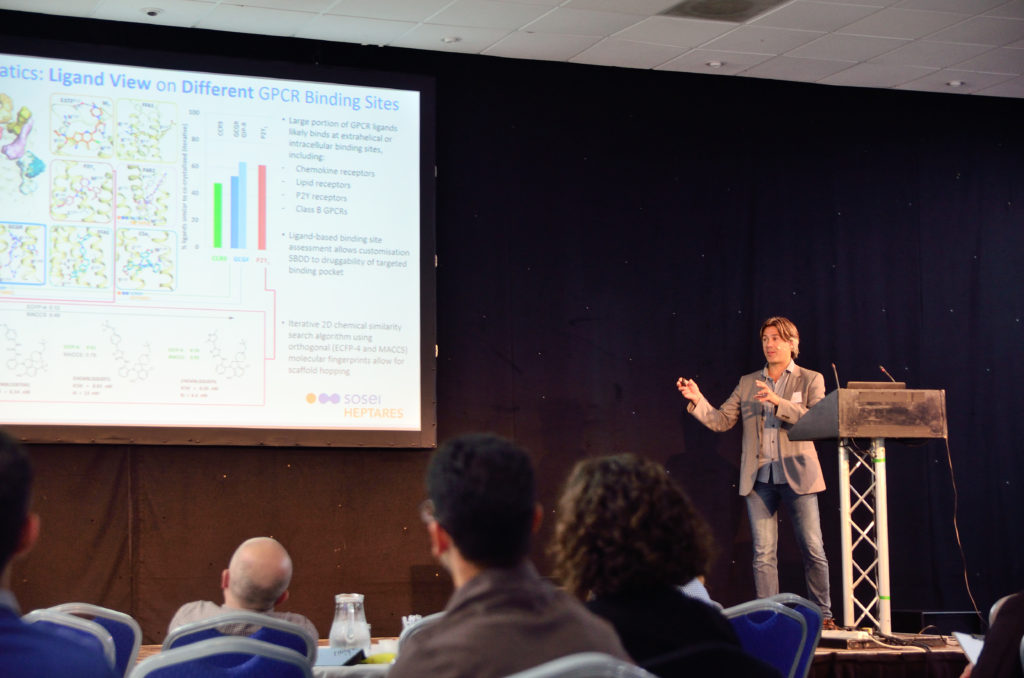
| Dr Chris De Graaf Director of Computational Chemistry, Sosei Heptares, Cambridge (UK)  | Dr. Chris de Graaf is Head of Computational Chemistry at Sosei Heptares, an international biopharmaceutical group focused on the design and development of new medicines originating from its proprietary GPCR-targeted StaR® technology and Structure-Based Drug Design platform capabilities (www.soseiheptares.com). In this role Chris is leading the development and application of computer-assisted drug design approaches across the GPCRome to help Sosei Heptares advance a broad and deep pipeline of partnered and in-house drug candidates in multiple therapeutic areas including neurology, immuno-oncology, gastroenterology, inflammation and rare/specialty diseases. He performed his Ph.D. research at in Computational Medicinal Chemistry and Toxicology at VU University Amsterdam and worked as postdoctoral fellow with AstraZeneca Pharmaceuticals and Strasbourg University (Dr. Rognan) on the development and application of novel GPCR modeling and virtual screening techniques. Before his appointment as Head Computational Chemistry at Sosei Heptares, Dr. De Graaf led the Computational Medicinal Chemistry group at VU University Amsterdam, working on the development and application of structural cheminformatics and computational chemistry methods to complement synthetic medicinal chemistry, molecular pharmacology, and structural biology studies in drug discovery research projects. |
| Prof. Paul Wyatt Wellcome Centre for Anti-Infectives Research, School of Life Sciences, University of Dundee (UK)  | Paul is currently Head of the Drug Discovery Unit, University of Dundee and Director of the Wellcome Centre for Anti-Infectives Research. His role is to help develop translational research at Dundee, by bringing together his and other’s experience of Drug Discovery in the Pharma/Biotech sector with basic academic research to deliver new treatments for a broad range of diseases e.g. malaria, leishmaniasis and cancer. Previously Paul worked within the BioPharma industry (23 years), gaining experience across a range of therapeutic areas, e.g. oncology, oxytocin antagonists; antiviral agents; TB; playing a significant part in seven compounds entering pre-clinical development. He gained a rare breadth of knowledge and experience of drug discovery by designing the first analogues of a fragment screening hit, and by leading the resulting drug discovery project through to pre-clinical development, culminating in one of the first compound from fragment based drug discovery reaching clinical trials. Paul obtained his BSc and PhD in Chemistry from the University of Birmingham. |
| Prof. John F. Gilmer School of Pharmacy and Pharmaceutical Sciences, Trinity College Dublin (Ireland) 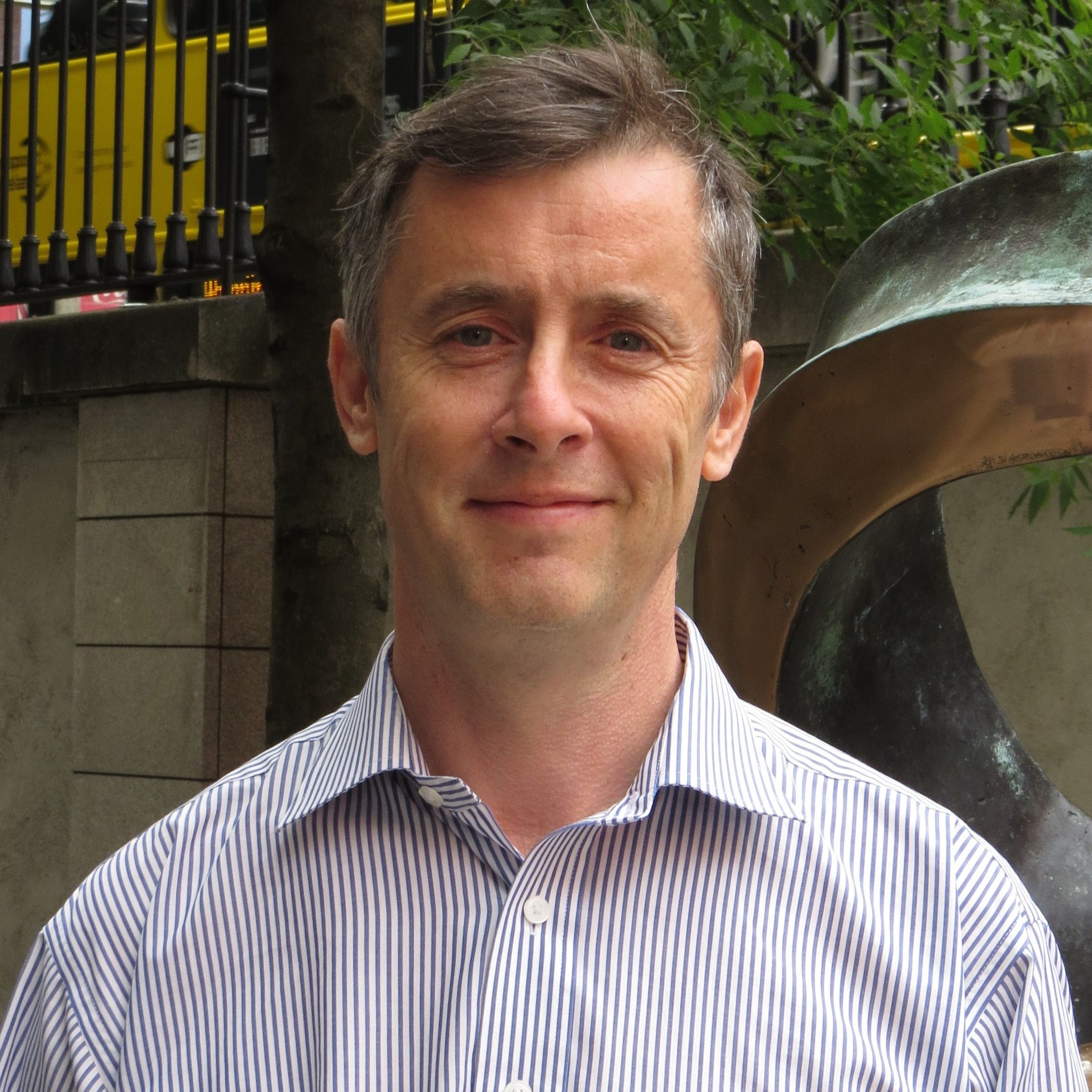 | John Gilmer is Professor in Pharmaceutical Chemistry in Trinity College Dublin (TCD). John holds a PhD in molecular recognition chemistry from TCD (1995). He held postdoc and visiting researcher positions in commercial pharmaceutical R&D at TCD and Queens University Belfast from 1995 to 1998 when he was appointed lecturer in the School of Pharmacy at TCD. He contributes to the TCD MPharm Programme and to a range of postgraduate courses related to pharmaceutical research and manufacturing, including MSc programs in Pharmaceutical Sciences and Pharmaceutical Manufacturing Technology (QP). He was Director of Teaching and Learning Postgraduate (2014-2018) and was recently elected Head of School, Pharmacy and Pharmaceutical Sciences. John has an active research group in varied fields of drug discovery and delivery. He is a co-founder of Solvotrin Therapeutics and its Director of Research. |
| Prof. Pierre Verhaeghe Faculty of Pharmaceutical Sciences, Paul Sabatier University; CNRS, Toulouse (France) 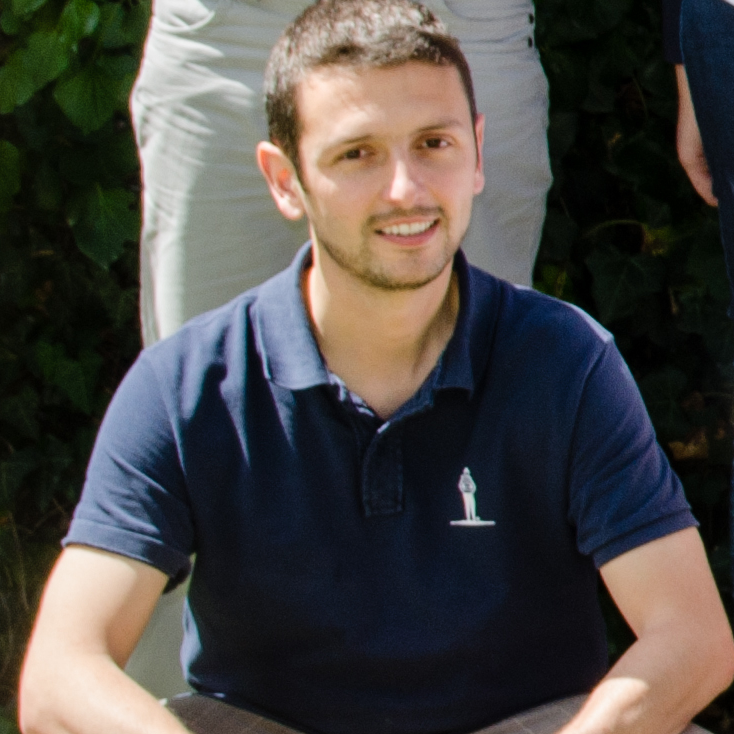 | Between 1997 & 2007, Pierre Verhaeghe studied Pharmacy and Organic Chemistry at the Universities of Caen, Rennes I and Aix-Marseille, where he was also pharmacy resident at the public teaching hospital (AP-HM). After a post-doc experience in the pharmaceutical industry at the J&J research center of Val de Reuil in 2008, PV joined academic research and is now, since 2013, professor of medicinal chemistry at the faculty of pharmaceutical sciences of Paul Sabatier university and team leader at the Laboratoire de Chimie de Coordination (UPR 8241) of the CNRS in Toulouse. The research activities of PV mainly focus on the design, synthesis and study of the mechanism of action of molecular or macromolecular anti-infective compounds targeting human pathogens such as intracellular protozoa (P. falciparum, Leishmania spp, Trypanosoma spp) or anaerobic bacteria (C. difficile). |
| Dr Nuria Cabedo Instituto de Investigación Sanitaria INCLIVA (Spain) 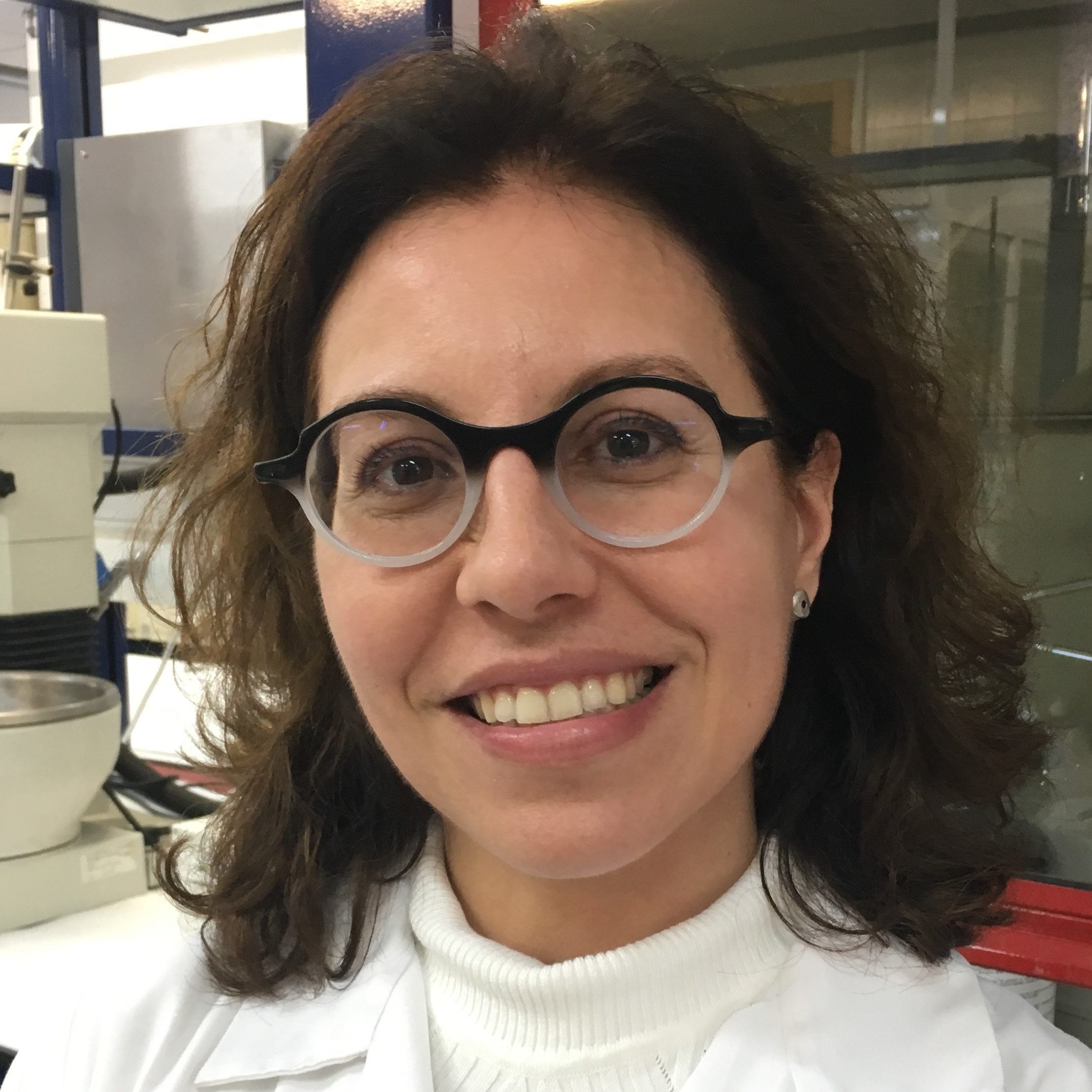
| I received my PhD in Pharmacy from the University of Valencia (2000), in the group of Prof. D. Cortes. From 2001-2004, I was a postdoctoral research fellow at several institutions (IRCOF, Rouen, CERMN, Caen, Chemistry Dept. of the University of Manchester). In 2005, I returned as postdoctoral researcher at the Centro de Ecología Química Agrícola of the Polytechnic University of Valencia. In 2015, I worked in the Biotechnology Company Biopolis of the Scientific Park of the University of Valencia. Since 2016, I was hired by the Biomedical Research Institute INCLIVA of the Foundation for the Research of the Hospital Clínico Universitario of Valencia. I have participated in 5 regionally/nationally funded projects andam a member of the Research Strategy in Personalized Medicine and Development of Innovative Medicines within the RIS3 measures framework and the COST Action MuTaLig. Since 2011, I have taught at both graduate and postgraduate levels within the Pharmacology Department, University of Valencia as an associate/invited professor. My research interests include the medicinal chemistry of natural products and synthetic analogues focused mainly on dopaminergic receptors, mitochondrial respiratory chain inhibitors, anti-inflammatory agents and PPARs, in order to treat cardiometabolic disorders and neurological diseases. |
| Dr Sébastien Gouin University of Nantes (France)  | Dr Sébastien Gouin is a CNRS research director in the laboratory CEISAM of the University of Nantes (France). He was born in Le Mans in 1976 and studied organic chemistry at the University of Nantes where he received his PhD in 2003. After postdoctoral training with Prof. Paul V. Murphy at University College Dublin (Ireland), he was appointed as a CNRS researcher in the University of Amiens. The present research activities of his group in Nantes are focused on the development of mono- and multivalent glycoconjugates interfering with carbohydrate-binding and processing proteins (lectins and glycosidases) from pathogens. |
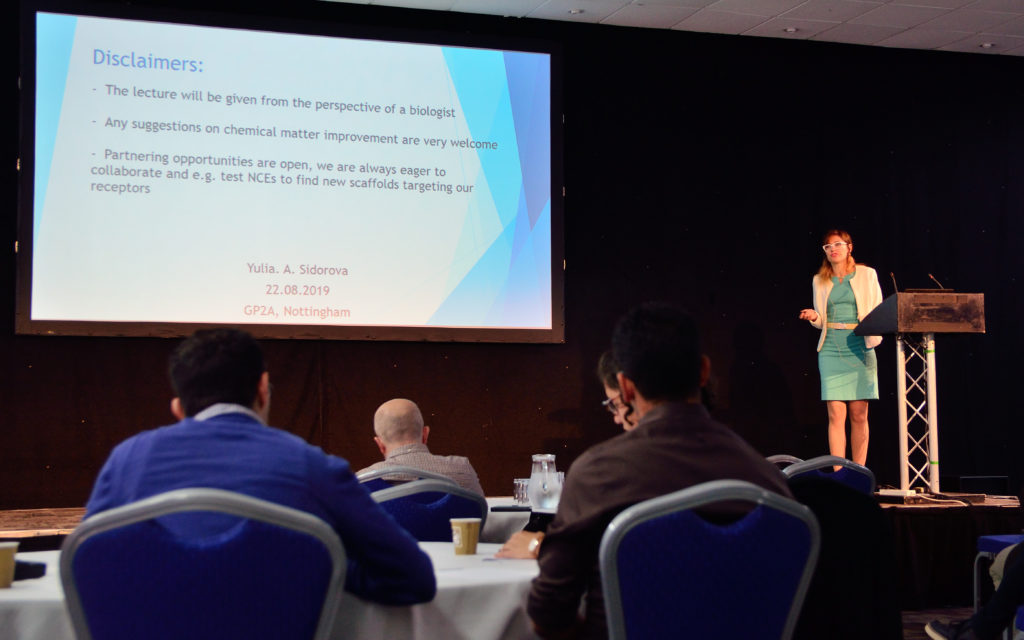
| Dr. Yulia Sidrova University of Helsinki (Finland) 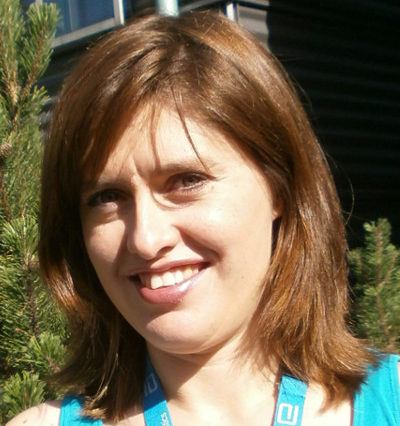 | Dr. Yulia Sidorova is a Team Leader at the Institute of Biotechnology, HiLIFE, University of Helsinki. She received her PhD in biochemistry in 2005 and shortly afterwards joined a group of Prof. Mart Saarma at the Institute of Biotechnology, University of Helsinki as a postdoctoral researcher to develop small molecules mimicking biological effects of neurotrophic factor GDNF. In 2014-2016 she made a 14-months internship in a small biotech company GeneCode Ltd as a Marie Curie fellow to learn basics of medicinal and computational chemistry. In 2013 she became a Junior Team Leader and in 2019 she received funding from Finnish Academy to start her independent research team. The main focus of Dr. Sidorova’s research is the development of small molecular weight compounds to combat neurodegeneration in Parkinson’s disease and neuropathic pain. In addition, sheparticipated in resolution of X-ray structure of GDNF co-receptors, discovery of alternative receptor for GFLs (Syndecan-3) and identification of GDNF binding determinants important for its biological activity. The main achievement of Dr. Sidorova’s team is the identification of several classes of GDNF mimetics, their characterization in vitro and in animal models of Parkinson’s disease and neuropathic pain. More information about our research can be found here: https://www.helsinki.fi/en/researchgroups/neurotrophic-factors-and-regeneration/research/gdnf-mimetics http://gdnf.mimetics.eu/ https://www.facebook.com/gdnf.mimetics/ |
| Prof. Peter Gmeiner Friedrich-Alexander-Universität Erlangen-Nürnberg 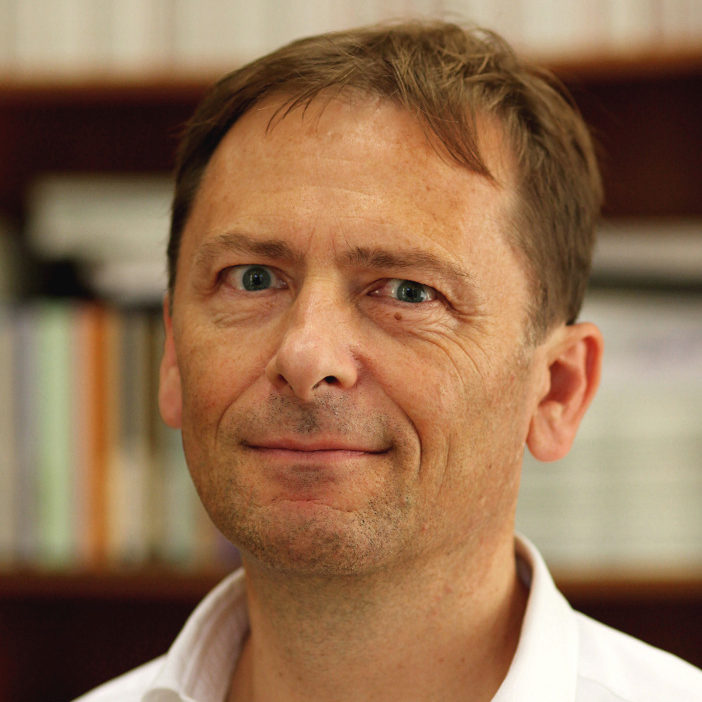 | Prof. Dr. Peter Gmeiner (*30.05.1959) received his Ph.D. in 1986 from the University of Munich. From 1987 to 1988 he was a postdoc at the University of California in Berkeley, USA. He subsequently returned to Munich as a research associate at the Institute of Pharmaceutical Chemistry. Upon receiving his Dr. Habilitus in 1992, for which he was honored with the Johann-Wolfgang-Döberreiner prize of the DPhG (1993), he was appointed at the University of Bonn as a Professor of Pharmaceutical Chemistry declining an offer for a professorship at the University of Heidelberg, at the same time. Since October 1996, he has been chaired Full Professor of Pharmaceutical / Medicinal Chemistry at the Friedrich-Alexander University Erlangen-Nürnberg. In 2000, he declined an offer for the Chair for Pharmaceutical Chemistry at the University of Münster. From 2000 to 2002, he was Senator at the University of Erlangen-Nürnberg. 2003-2010, he was a board member of the Medicinal Chemistry Section of the German Chemical Society (GDCh). Since 2008, Peter Gmeiner is chairman of the Pharmaceutical / Medicinal Chemistry Section of the German Pharmaceutical Society (DPhG). 2008-2012, he was the speaker of the Emil Fischer Graduate Programme in Pharmaceutical Sciences & Molecular Medicine (EFS). Since 2017, Peter Gmeiner is the Chairman of the Department of Chemistry and Pharmacy and Vice-Dean of the Faculty of Natural Science. Peter Gmeiner is spokesman of the Research Training Group “Medicinal Chemistry of Selective GPCR Ligands” (GRK 1910). Peter Gmeiner is a co-founder and consultant of the company Epiodyne, Inc. Peter Gmeiner has a track record of more than 250 publications in peer-reviewed scientific journals (including Nature, PNAS, Angew. Chem., J. Med. Chem., etc.) including patents and patent applications. He is an invited speaker on international conferences and has given more than 100 invited talks. Peter Gmeiner serves as referee for the Deutsche Forschungsgemeinschaft (DFG), the Alexander von Humboldt-Foundation (AvH), the DAAD and for more than 20 top ranked journals in the fields of Chemistry and Pharmacology. He is an Editorial and Advisory Board Member of a number of international journals including Bioorganic & Medicinal Chemistry, Bioorganic & Medicinal Chemistry Letters and ChemMedChem. Peter Gmeiner’s research spans the design, organic synthesis and pharmacological investigation of bioactive molecules addressing aminergic and peptidergic G-protein coupled receptors (GPCRs). Within these studies, the following topics are of special interest: Covalent and slowly diffusing ligands for GPCR crystallography, design and synthesis of novel subtype selective GPCR agonists, partial agonists and antagonists including novel antipsychotic and anti-Parkinson-active agents, development of radioligands for PET and SPECT, efficacy tuning and mechanistic studies on G-protein coupled receptors (GPCRs) involving wild-type and mutant receptors, molecular modelling of GPCRs, fancy bioisosteres for G-protein coupled receptors, development of bivalent ligands for GPCR dimers, single molecule detection of GPCR-ligand complexes by TIRF microscopy, peptidic und non-peptidic neurotensin receptor ligands, solid phase supported methodologies and their application for the discovery of GPCR ligands, ß-turn inducing peptide mimetics. |
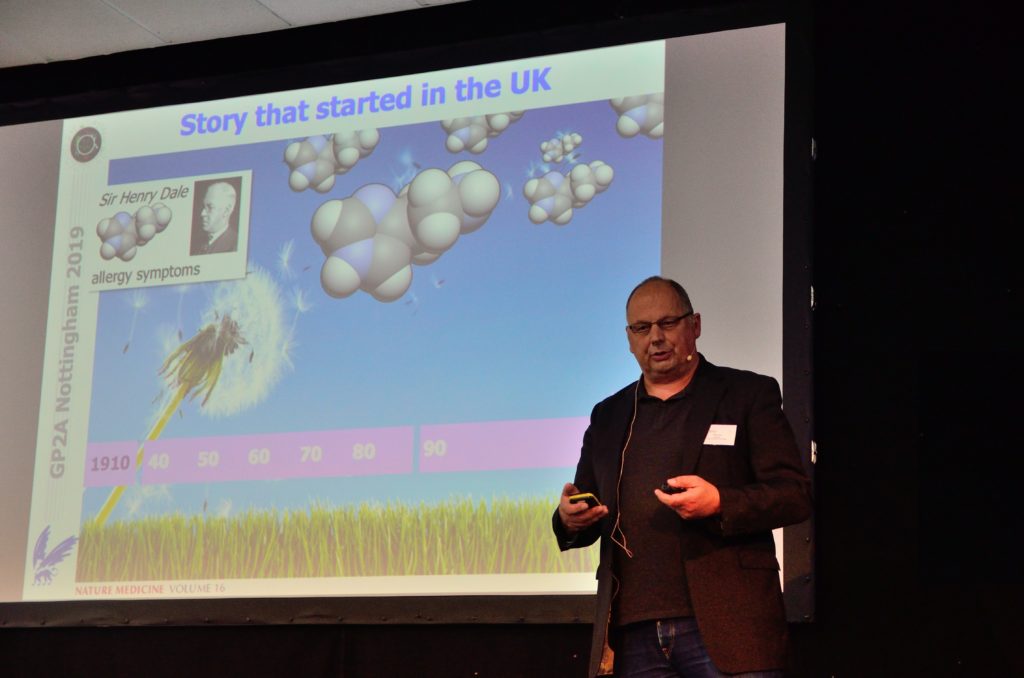
| Prof. Rob Leurs Vrije Universiteit Amsterdam 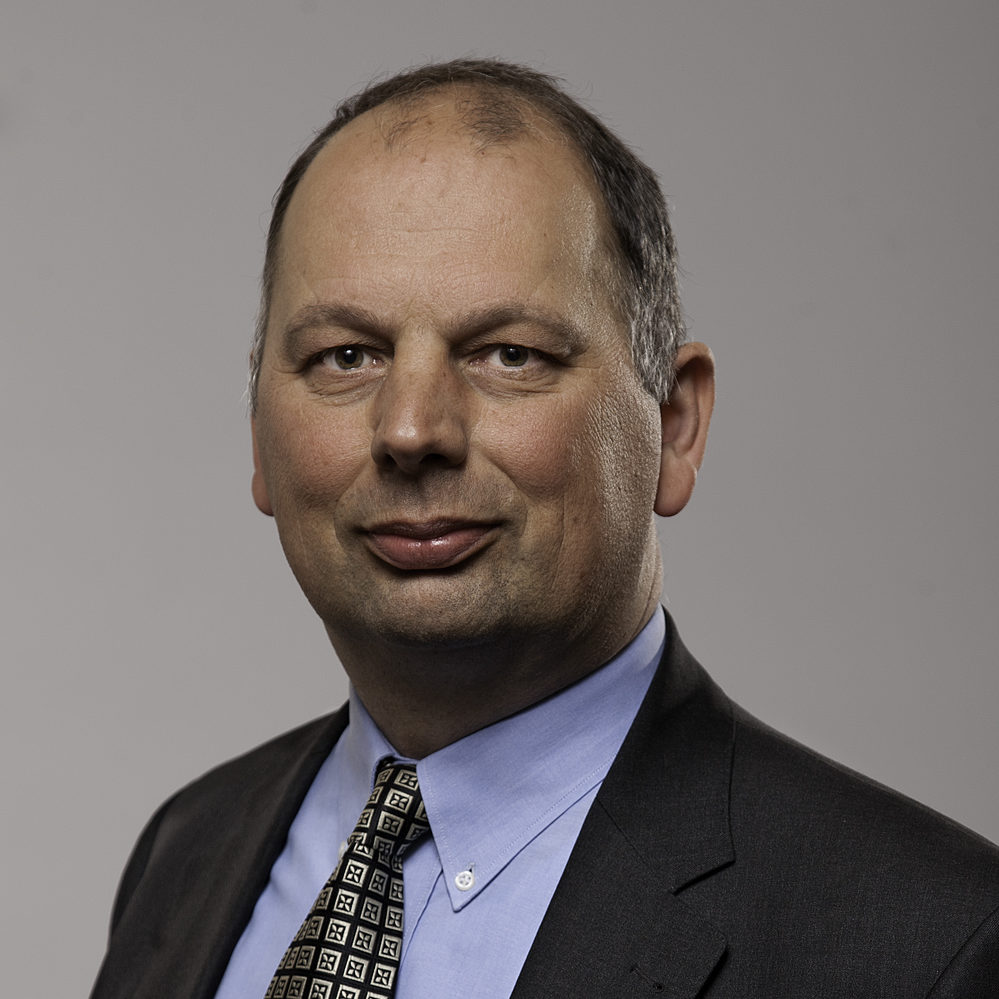 | Prof. Leurs is involved in research on G-protein coupled receptors, with specific emphasis on ligands and receptor proteins for histamine and chemokines. Moreover, he is co-founder of Griffin Discoveries, a company that valorizes the G-protein coupled receptor expertise and is currently involved in the discovery and development of GPCR receptor ligands. Next to that he has in recent years started a new line on structure-based development of potential drugs against Neglected Tropical Diseases. |